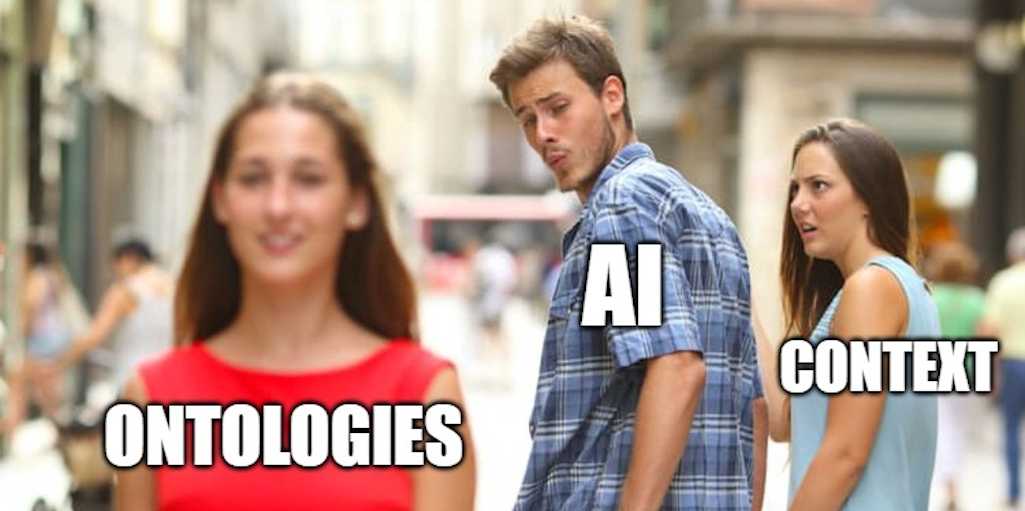
In Part 1: “Ontologies, Back in Fashion”, there are 2 things traveling under the word “ontology”. The first is the ambitious version (automated reasoning, machines inferring facts nobody stated) which is “roughly where it was 20 years ago: academic, brittle, confined to narrow domains”. The second is the humble version; an agreed vocabulary, stable identifiers, a declared column meaning that two systems can check without holding a meeting. Part 1’s claim is that the humble version is quietly working well in the regulated finance, kept alive by regulatory mandate rather than hype. The LLM angle was flagged as a “plausible…
Category: <span>Java</span>
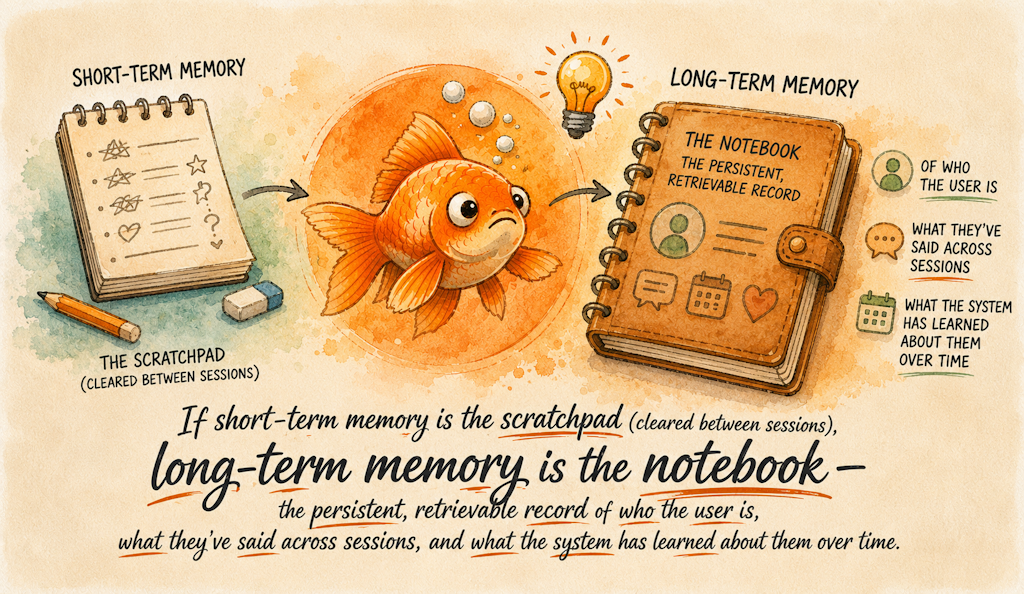
Part 2 of 2 in the “AI Agent Memory” series. Cross-Session Memory with Spring Boot + LangChain4j. Click here for Part 1 of the series. What Is Long-Term Memory in an AI Agent? If short-term memory is the scratchpad (cleared between sessions), long-term memory is the notebook – the persistent, retrievable record of who the user is, what they’ve said across sessions, and what the system has learned about them over time. The naive approach is to dump everything into the system prompt: “Here are all 400 interactions this user has had.” That’s expensive, context-window-busting, and filled with noise. The…

Part 1 of 2 in the “AI Agent Memory” series. Short-Term Memory with SpringBoot + LangChain4j. The Demo that wasn’t We got back from our offsite pretty excited. We had just walked through a POC showing how metadata actually earns its keep in an AI-first world. With a solid semantic layer, our analysts could spend more time cooking and less time wandering around the data pantry asking, “where did we put the salt again?” The demo was slick. Agents could find the right data, make suggestions, even tap into technical metadata to build and run queries for users. It felt…
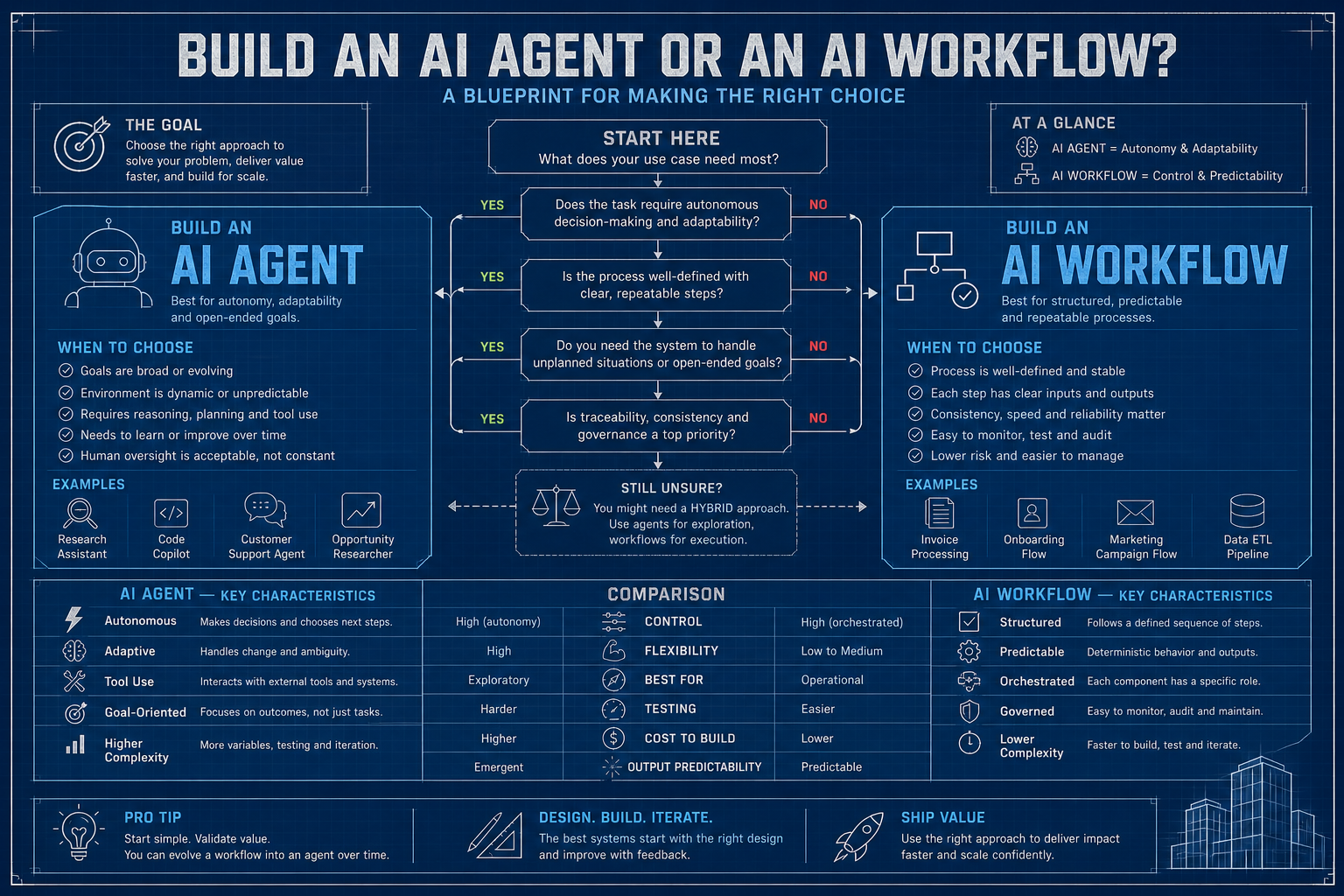
A 3-Part Series: Agents, Workflows, and Skills – Build the Right Thing In Part 1, we built a bug investigation agent. In Part 2, we built a content quality pipeline. Both worked. Both had AI doing something I hope you find genuinely useful. But if you read them back to back with a sufficiently critical eye – the kind of eye a good code reviewer develops after seeing the same mistake for the fifth time – you’d notice something I deliberately left in both systems: capability reuse. The bug agent could search code. The content pipeline had its own policy checker.…
A 3-Part Series: Agents, Workflows, and Skills – Build the Right Thing There’s a phrase I’ve used in engineering reviews for years, usually right before someone’s six-week project gets redirected: “Don’t hire a strategist when you need a soldier.” In Part 1, we discuss agents – an autonomous AI system that reasons its way through open-ended problem. If you read it, you know I’m a fan. They’re genuinely capable, and when you deploy one in the right context, it feels like a superpower. But here’s the thing nobody says out loud at AI conferences: most of what you actually need to build…